October 24, 2026
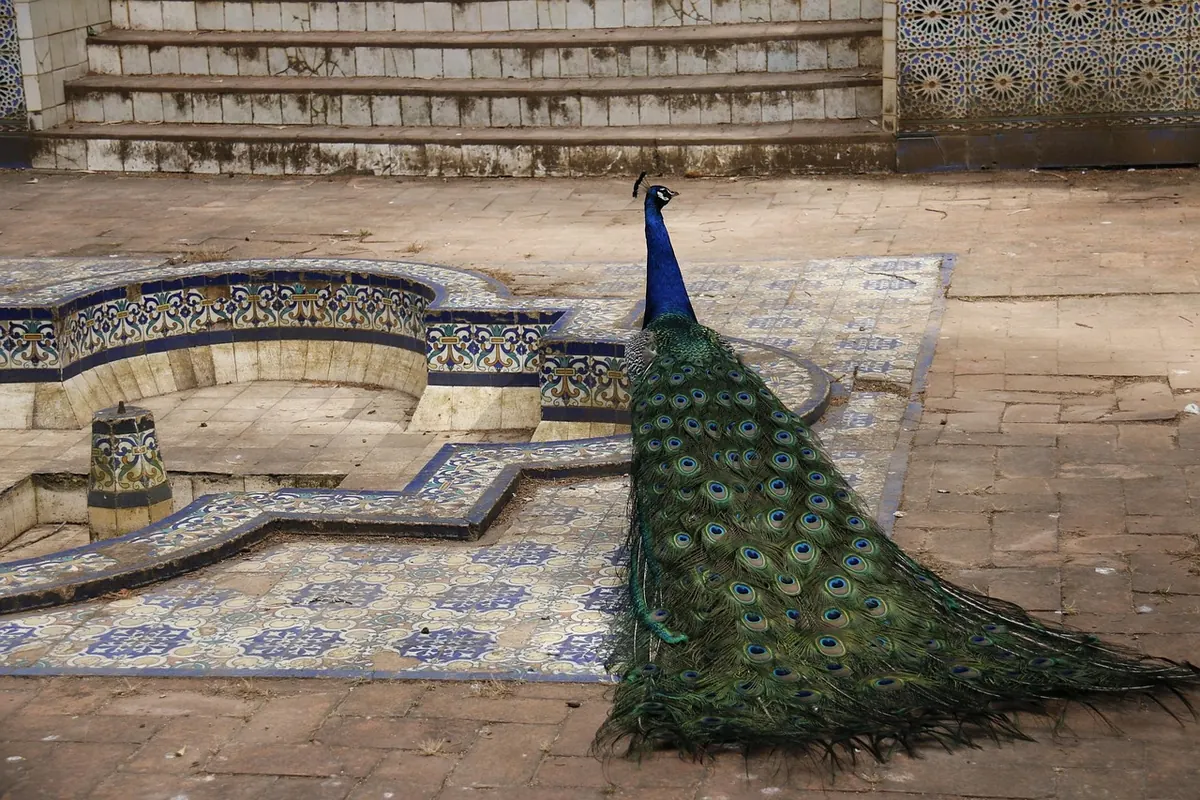
A mosaic and moving water belong together. Tesserae catch light the way a current does, and a dry creek bed rendered in stone and glass can make a small garden feel like it has a source. But the same qualities that make river-inspired mosaics so appealing — curved forms, constant moisture, the interplay of splash and sun — are exactly what punish sloppy construction. A panel that looks flawless in the studio can be lifting at the edges, cracking along the grout, or stained green within two winters. Nearly every failure traces back to a decision made before the first tessera went down. Here are the mistakes that cost outdoor river features the most years, and what to do instead.
Treating the Substrate as an Afterthought
The substrate is the part nobody photographs, and it is where most failures begin. The classic error is building a riverbed or spillway on MDF, particleboard, or interior-grade plywood. These materials swell when they get damp, and they stay damp in a garden setting. The mosaic above them does not stretch, so the surface shears away in sheets.
The second classic error is a substrate that moves. A stepping stone or a low bench that flexes underfoot will crack grout no matter how carefully you lay it. Rigidity comes first; waterproofing comes second. Neither substitutes for the other.
Good options for river features include cast concrete, cement backer board over a rigid frame, stone slabs, and — for raised or vertical pieces — exterior-grade plywood of adequate thickness, sealed on all six faces and covered with a waterproof membrane before any adhesive goes down. Curved spillways and channels need formwork that holds its shape permanently, not a temporary mold.
Allow for movement at the edges
Do not butt a mosaic tightly against a wall, a concrete collar, or a metal edging. Leave a gap of a few millimeters and fill it with a flexible sealant rather than grout. A garden structure expands in the sun and shifts with frost; a mosaic that has nowhere to go will crack at its weakest point.
Using the Wrong Adhesive, or Not Getting Full Coverage
Premixed "mastic" adhesives are convenient and they are a poor choice outdoors. Many are organic-based and soften or re-emulsify when they stay wet, which is precisely the condition a river feature creates. Use a cement-based, polymer-modified thin-set rated for exterior use, and switch to an epoxy adhesive in the splash zone or anywhere the mosaic will be submerged.
Coverage matters as much as chemistry. A tessera bedded with hollow pockets under it holds water against the substrate and lets frost pry it loose. Press each piece firmly and twist slightly as you set it, or back-butter thicker tesserae. Lift a piece or two early on to check that the ridges of adhesive have collapsed into a full bed. If you hear a hollow tap after curing, that piece is a candidate for removal and re-bedding.
Two more details that catch people out: never use grout as an adhesive, and never install in direct sun or in near-freezing temperatures. Both compromise the bond before it has a chance to form.
Grout Mistakes That Show Up Two Winters Later
Grout is the sacrificial layer of a mosaic. It is meant to take the weather so the tesserae do not have to, which is why a thin or powdery grout line is not a cosmetic issue.
- Mixing too wet. Extra water makes grout easier to push around and weaker once it cures. Follow the ratio on the bag, and add water to the powder — not powder to a puddle.
- Choosing the wrong type. Match grout to joint width. For very wet locations, including basins and spillways, epoxy grout is worth the extra effort.
- Skipping the seal. A penetrating sealer on the grout, reapplied according to the product instructions, slows water uptake and buys time.
- Washing too aggressively. Over-wiping during cleanup pulls cement out of the joints and leaves them shallow and dusty.
- Ignoring colour. Pale grout in a wet, sunlit garden will show algae and hard-water tide lines quickly. A mid-tone grey or green hides what a river feature inevitably collects.
Ignoring the Splash Zone and the Freeze–Thaw Cycle
The band of a water feature that is alternately soaked and dried is the harshest place in the garden. It is also the band most makers design last. Water sitting in a shallow depression on a mosaic ledge, or wicking behind an unsealed edge, will do more damage than rain falling on the surface.
Slope every horizontal surface slightly so water runs off, and design the river form so there are no trays or lips that hold standing water. Where the mosaic meets the water itself, decide early whether the piece is decorative, splash-exposed, or submerged — each needs a different specification. Submerged work in particular calls for epoxy systems and no gypsum-based products anywhere in the build-up.
Choosing Tesserae for Looks Instead of Weather
Almost any beautiful material can be found in a garden centre's mosaic section; not all of them should live outside. Vitrified or frost-rated ceramic, smalti and tested frost-resistant glass, granite, basalt, and dense porcelains handle freezing well. Soft limestone, sandstone that laminates, unglazed terracotta, thin craft-store mirror, shell, and ordinary stained glass often do not.
Two further points. Avoid mixing materials with very different rates of expansion across large areas — glass against porous stone is a common source of hairline cracks. And if the mosaic is a stepping path, think about bare feet: broken tempered glass, sharp-edged shards, and thin protruding pieces are a genuine hazard, not just a design choice.
Over-Sealing and Rough Maintenance
A thick film-forming sealer feels protective and often turns out to be the opposite. It can trap moisture beneath the surface, haze over soft stone, yellow in sunlight, and become a maintenance problem of its own. Penetrating sealers on grout and porous stone are usually the better answer; leave impervious glass and ceramic unsealed.
When it comes to cleaning, skip the pressure washer and skip aggressive acid washes, both of which erode grout and can etch stone. A soft brush, water, and a mild pH-neutral cleaner do the job. In cold climates, keep de-icing salt away from mosaic paths and steps if you can.
A Short Checklist Before You Set the First Tessera
Five minutes of questioning at the start saves a season of repair later.
- Is the base rigid, exterior-grade, and sealed on every face and edge?
- Does every horizontal surface drain, with no place for water to sit?
- Is the adhesive cement-based or epoxy, rated for exterior use, with an expiry date worth trusting?
- Are the tesserae frost-resistant and of similar thickness?
- Do you have movement gaps at the perimeter and a flexible sealant to fill them?
- Have you built a small sample panel and left it outside through a full season?
That last item is the cheapest insurance available. Set a handful of tesserae onto the substrate and adhesive you intend to use, grout it the way you plan to grout the real thing, and leave it in the garden through rain and frost. What it looks like in spring will tell you more than any label on a bag.
Photo: taniadimas / Pixabay