October 29, 2026
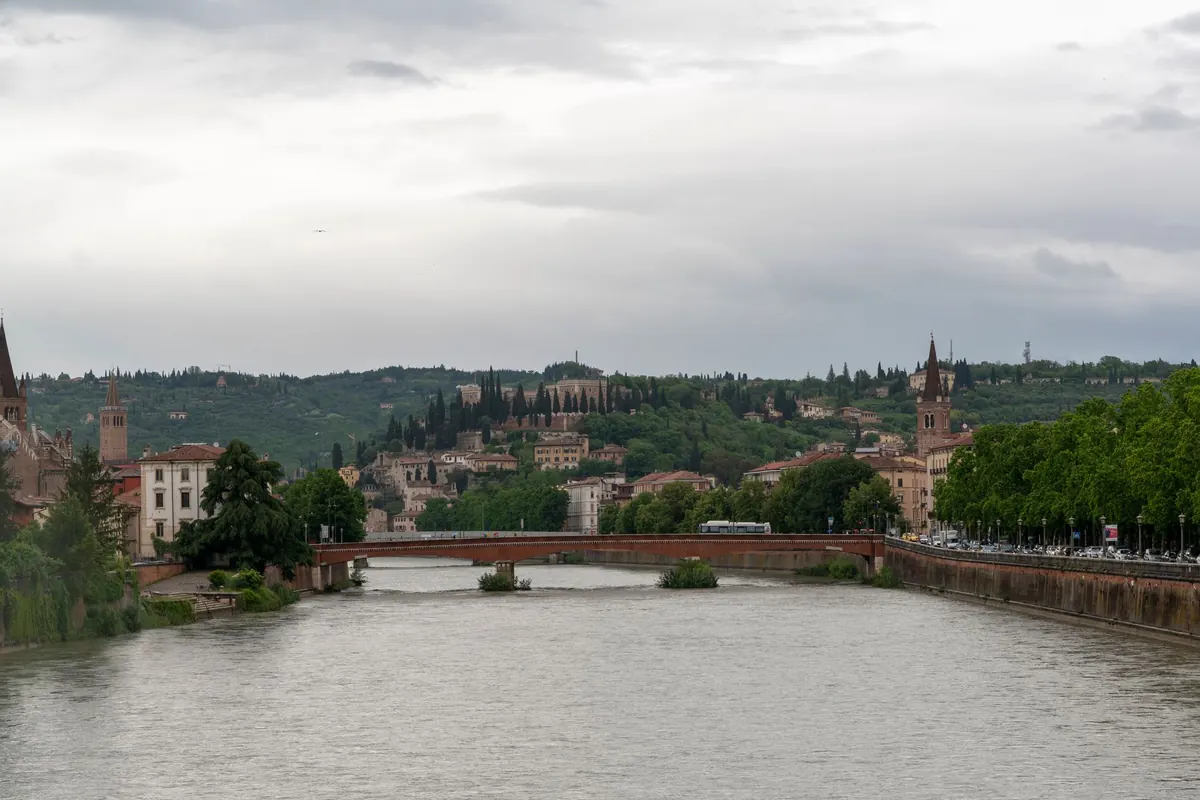
Stand on a bridge over the Po in Turin just after rain, and the river looks like a tessera field: grey-green, ochre, a flash of white. That is the pleasure of river-inspired mosaic public art in Italy. The water gives the palette; the mosaic gives it structure. This walk is not a single path but a route you can stitch together over a long weekend or a week, following rivers and canals to outdoor panels, fountain surrounds, station walls and park benches. Bring comfortable shoes, a camera, and the patience to look closely.
Why rivers make good mosaics
Rivers are never one colour. They carry silt, sky, shadow, weed and stone, and they change by the hour. Mosaic works in the same way: small pieces held together by grout and distance. In Italian towns, public mosaics often sit near water — a fountain, a bridge, a flood wall — because water is both the subject and the reason the work is there. Look for blue-green gradients, wavy bands, fish, boats, maps of a river’s course, and abstract rills set into paving. The best pieces reward a second look: from across the street they read as a single image; up close they break into hundreds of decisions.
The route at a glance
Think of this as a river-to-river walk, with train hops between cities. Each stop has a different relationship to water and a different mosaic idiom.
- Turin (Po) — long riverfront walks, public art in parks and transit spaces, and a chance to see mosaic used at an urban scale.
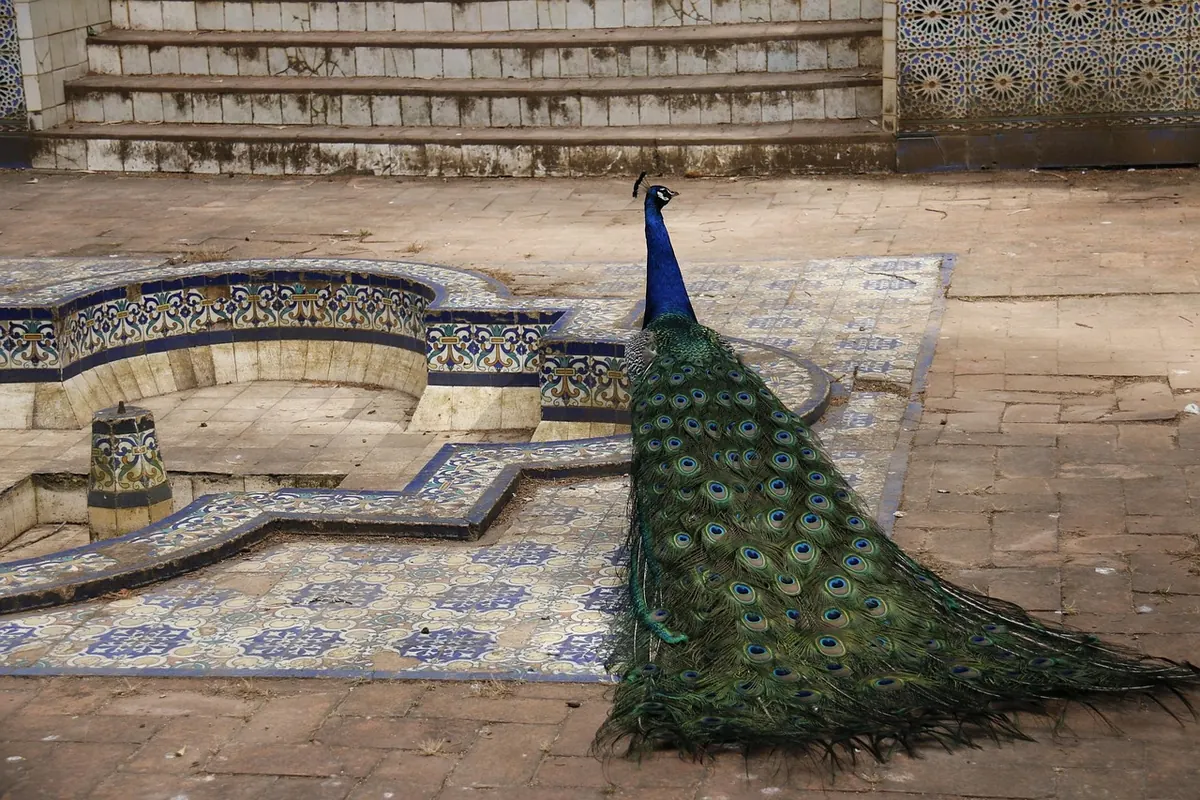
- Verona (Adige) — stone bridges, fast water, and smaller tiled details in fountains and gardens.
- Ferrara and the Po delta — brick streets, wide skies, and community mosaic projects in river towns.
- Ravenna (canals) — the craft’s historic heart; look beyond the famous monuments to contemporary public panels.
- Rome (Tiber) — a big, muddy river and a city where mosaic appears in unexpected corners.
You can do it in any order. The route works best if you give each city at least a half day and keep one evening free for revisiting a piece at dusk.
Turin and the Po
Start in Turin, where the Po runs wide and calm. Walk the riverside paths from Piazza Vittorio Veneto toward the Valentino park, then cross to the opposite bank for the long view. Public mosaic in Turin tends to be civic rather than decorative: look at the walls of underpasses, the surrounds of playgrounds, the tiled benches in parks, and the art inside metro stations. The river is not always the literal subject, but the palette often follows it — slate, sand, pale green, and the white of moving water. Take your time at each piece. A mosaic that looks flat in midday sun will show its grout lines and glass highlights in late afternoon. If you are photographing, shoot a wide frame for context, then a tight frame for the cuts and colours.
Verona, Ferrara, and the Po delta
Verona: small details, fast water
Verona gives you contrast. The Adige is fast and green, and the city’s stone is warm and heavy. Mosaic here is often small-scale: a fountain basin, a threshold, a panel in a public garden. Walk the riverbanks from the Roman theatre toward the Castelvecchio bridge, then loop back through the streets behind Piazza Bra. Look for tiled water jets and benches where the mosaic shows a stylised river or a map.
Ferrara: the delta’s wide sky
In Ferrara, the mood changes again. The Po is broad and slow, and the delta is a landscape of reeds and water. Use Ferrara as a base and take a local train or bus into the smaller river towns. Community mosaic projects often appear on school walls, market squares, and riverside promenades. They are not always listed in guidebooks, so ask at the tourist office or a local bar: “Ci sono mosaici vicino al fiume?” Even a rough answer can lead to a good walk.
Ravenna and Rome: two water stories
Ravenna is the pilgrimage. Its famous mosaics are indoors and ancient, but the city’s craft culture spills into public spaces. Walk the canals, look for contemporary mosaic panels in parks and along pedestrian streets, and visit the mosaic school’s public-facing work if it is open. The river connection here is water as a material imagination: blues, greens, gold, and the shimmer of glass. Rome is the opposite. The Tiber is brown and contained by walls, and public mosaic is scattered. Walk the river path from Ponte Milvio toward the centre, then cut into Trastevere. Look for mosaic shop signs, tiled doorways, and community murals that use river motifs. Rome rewards detours. If you see a group of people photographing a wall, stop and look; local mosaic hunters often know the newest pieces.
Photo and viewing tips
Public art is free, but it is also shared. These habits will help you see more and photograph better.
- Check the light. Glass and smalti reflect. Overcast days are good for colour; raking light at sunrise or sunset shows texture.
- Bring a polarising filter. It cuts glare from glass tiles and wet stone, especially near fountains.
- Shoot at an angle. A 30–45 degree angle often reveals the depth of the tesserae better than a straight-on shot.
- Include context. A bench, a bridge, or a person walking past tells the story of public art. Then take a detail shot.
- Do not use flash in covered passages or near fragile surfaces; it flattens the work and can disturb others.
- Respect the site. Do not touch, lean on, or climb the mosaics. Grout and glass are more fragile than they look.
- Ask before photographing people. A quick gesture is enough.
For viewing, carry a small notebook or use your phone to note the location and time. Mosaic public art changes with weather and maintenance, and a piece you love may look different next year.
Plan the walk
Build the route around train times and daylight. A practical plan:
- Pick two base cities — Turin and Ravenna work well — and book refundable tickets.
- Download offline maps and mark likely mosaic spots: parks, fountains, transit stations, riverfront walls.
- Start each day with a riverside walk before museums open; the light is softer and the streets are quieter.
- Carry water, a cloth for your lens, and a power bank. River paths can be exposed.
- End each afternoon with a sit-down and a second look at one piece you rushed past.
Check local opening times and any restoration work before you travel; public art can be temporarily covered. And leave room for the unplanned panel — the one on a school wall or beside a bus stop that no map mentions. Those are often the pieces that stay with you.
Photo: Büşra Salkım / Pexels